Community
D65 to implement ‘whistle blower’ policy
By Danielle Kim
Advertisement · Why this ad?
Danielle Kim, a graduate of Illinois State University, has been a community journalist for 8 years, focusing on grassroots movements and local initiatives. Her previous experience includes reporting for WBEZ, where she highlighted issues affecting suburban neighborhoods.
More from Danielle →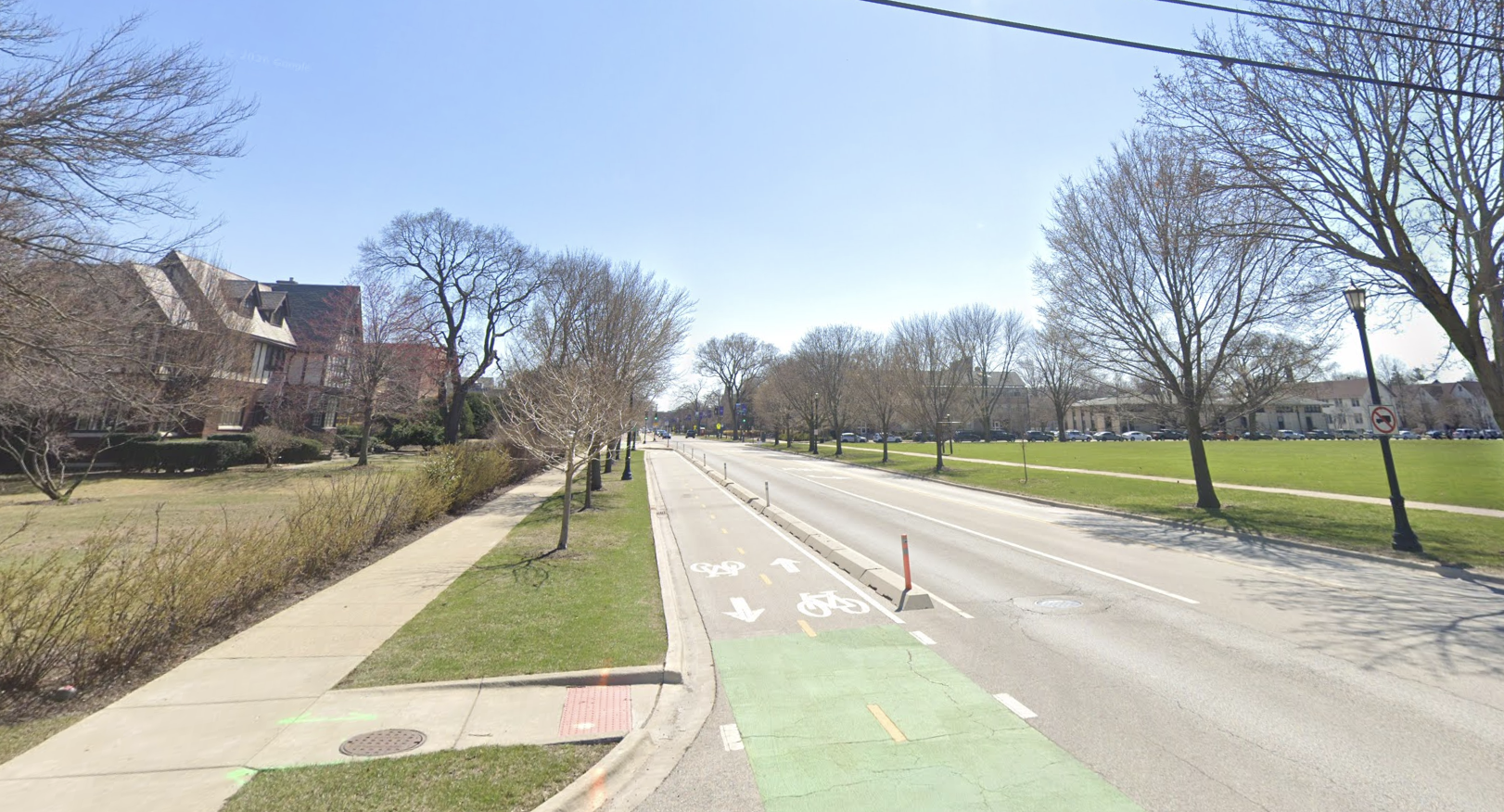
After an outcry from activists and residents urging more spending next year on capital improvements for traffic calming and bike infrastructure, the city came back this week with over a half million dollars in additional funding. In a City Council presentation Monday night that included the city’s new project manager for transportation, Craig Jakobsen, the city unveiled a revised CIP budget for traffic calming, which almost doubles the $670,000 first proposed. Several residents have spoken out over the course of the budget talks, urging a revised look at traffic calming and bike infrastructure spending, which drew support from Alds. Juan Geracaris (9th) and Shawn Iles (3rd). The revised budget includes new spending on in-street pedestrian signs and speed signs, more than double the planned spending on new speed humps, $150,000 for a pilot paint and post curb extension and slight increases to spending on pedestrian crossing enhancements. The newly proposed spending totals $547,500, bringing the total traffic calming spending to over $1.2 million, nearly three times spending on traffic calming included in the 2026 CIP. “With the 2027 CIP goals in particular, some of the goals we would like to accomplish … are to enhance crosswalks and bike lanes at new locations, pilot some new treatments … especially rapid deployment items which allow us to move a little more quickly,” Jakobsen said. “We propose to target schools and use crash data to prioritize these improvements.” “There are lots of things to improve in this city and only so much budget,” Jakobsen said Monday. Jakobsen said locations for the new speed humps are not finalized yet, but will likely be located near D65 schools or ETHS where speed humps aren’t currently in place. “Identifying school locations in particular, D65 boundaries are likely to change so we want to be reactive to that,” he said. “And prioritizing other frequent areas where vulnerable road users might be.” “I get a lot of feedback about neighborhood pedestiran safety and bike safety and this is great,” Geracaris said. “I look forward to finding more ways to fund this and hopefully support this more in the future.” Iles said he also supported some of the new ideas, and said he hoped “in future years we’re able to expand it further.” “I like the direction that we’re going,” Iles said. Participatory budgeting among potential cuts The capital improvement plan includes major street, water and sewer projects ($40.6M), other transportation projects ($20M), parks projects ($11M), facilities projects, which includes the library ($8.5M), water treatment projects ($13.7M) and other miscellaneous projects that bring the total to just under $100 million next year. With a push from alders to trim the CIP before it’s approved alongside the budget, likely later this month, City Engineer Lara Biggs returned with a list of “project priorities” ranked with a “priority score” for alders to review and weigh in on where to cut. High-priority projects, like the annual water main projects, a major bridge construction project on Lincoln Street, traffic signal projects and a major construction project on Church Street, sit at the top of the list and won’t be cut. But low-priority projects are potentially on the chopping block, including participatory budgeting, which could cost up to $1 million. Some alders, like Ald. Clare Kelly (1st) urged the city keep the process in place, potentially with a smaller budget and possibly more restrictions on the types of projects the participatory budgeting group can suggest, while others argued in a tight-budget environment, it might be a “nice-to-have.” “Ultimately, we’re accountable for how we spend the city’s money and I think we all get feedback in different ways,” Iles said. “We’re making really tough decisions about staff reductions and all kinds of things, whether people pay more for water … I just question whether we have the flexibility in our budget to persue something that’s sort of idealistic like this.” It’s not clear where alders will ultimately go on cutting the CIP, and whether other projects that score low on the “priority” sheet could also be kicked off. Ald. Tom Suffredin (6th) suggested the city keep only three of the projects on the bottom of the list — ADA upgrades to the Levy Senior Center locker room and fitness center, spending on quick-build projects derived from the forthcoming bike plan update and a design project for Fire Station 4. “If it’s going to be a difficult budget, at some point we’re going to have to make difficult decisions and deny doing things that people want us to do,” Suffredin said, naming the three projects he supported. “The rest I could let go.” “Not that these other things aren’t great to do in a different financial environment,” Suffredin said. He also suggested alders submit their final thoughts on the CIP projects in a survey after a long conversation Monday night. Biggs and the city staff will review it and come back with a revised plan based off alder feedback. Alders are expected to take a final vote on the budget on Nov. 23. Related
By Danielle Kim

By Keisha Patel

By Keisha Patel

By Keisha Patel